Opti-Shield™ Liquid Paint Protection Film: What I Learned From Testing It Myself (and Why I’m Offering It to My Clients)
I didn’t test Opti-Shield because I needed another product to sell.I tested it because I wanted answers.As a professional detailer here in Harford County, Maryland, I work on vehicles that see real use: daily commutes, highway driving, winter salt, pollen season, and everything in between. Over the years, I’ve seen what actually damages paint — and more importantly, what doesn’t.Ceramic coatings are incredible for gloss, chemical resistance, and maintenance. I install them regularly and trust th
I didn’t test Opti-Shield because I needed another product to sell.
I tested it because I wanted answers.
As a professional detailer here in Harford County, Maryland, I work on vehicles that see real use: daily commutes, highway driving, winter salt, pollen season, and everything in between. Over the years, I’ve seen what actually damages paint — and more importantly, what doesn’t.
Ceramic coatings are incredible for gloss, chemical resistance, and maintenance. I install them regularly and trust them. But I’ve also seen the same misconception over and over again:
“I have a ceramic coating, so my paint won’t scratch.”
That’s simply not how coatings work.
Opti-Shield caught my attention because it promised something different — real, measurable, sacrificial protection. Before offering it professionally, I wanted to understand it on my own terms. So I tested it. Layered it. Measured it. Scratched it. Sanded it. And finally, applied it to my own truck.
This post is the result of that process.
Why I Even Bothered Testing Opti-Shield
Most paint damage doesn’t come from keys or accidents. It comes from:
-
Improper washing
-
Dirty drying towels
-
Road grit
-
Winter brine
-
Light abrasion over time
Factory clear coat is typically 40–60 microns thick. Once it’s worn down or scratched through, it’s permanent. Ceramic coatings, while incredibly durable chemically, are extremely thin — often measuring well under a micron.
Traditional paint protection film solves that with thickness, but seams, edges, cost, and partial coverage make it impractical for many drivers.
Opti-Shield lives in between those two worlds. I wanted to see if it actually filled that gap — or if it was just another buzzword.
How I Tested It (Quick Context, No Overthinking)
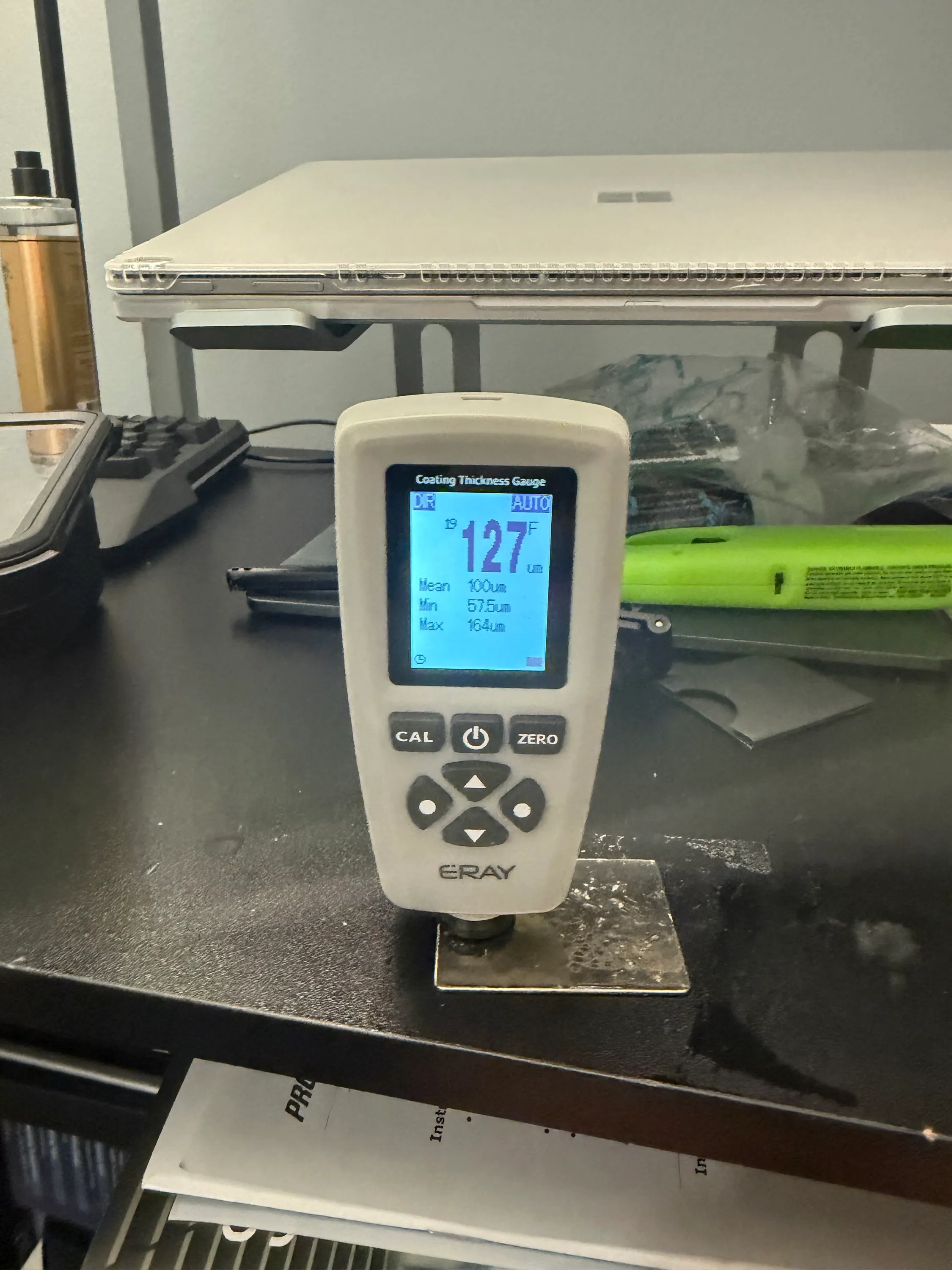
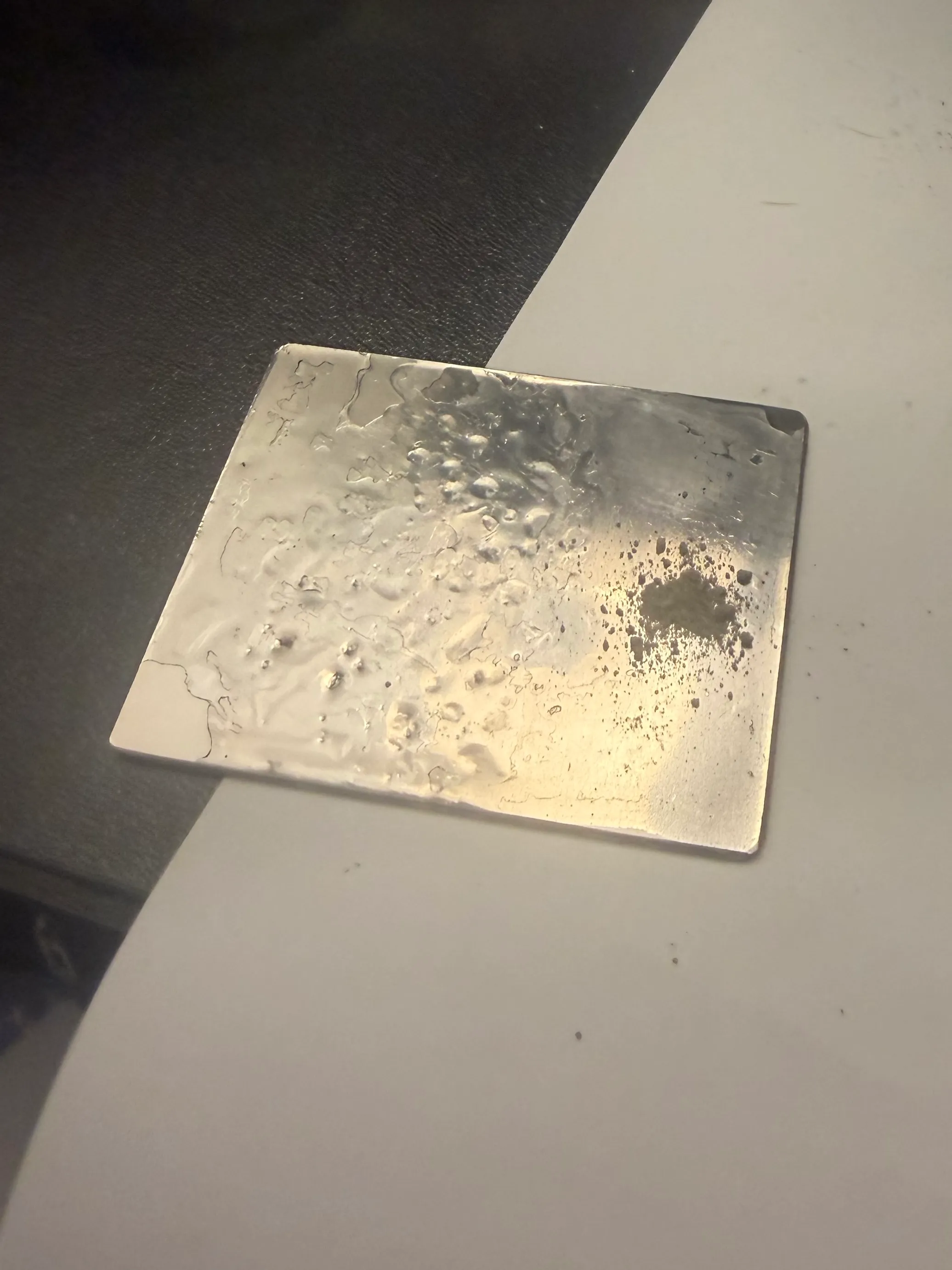
To understand Opti-Shield’s behavior, I tested it on a small metal panel using my paint thickness gauge. The panel did not have OEM clear coat, which means bonding behavior isn’t identical to painted panels — but thickness, abrasion behavior, and correction potential can still be observed clearly.
On my actual truck, I applied one layer of Opti-Shield, followed by different Opti-Coat ceramic coatings on various panels. I did not aggressively test or sand my own paint — because that wouldn’t reflect real ownership.
The test panel was for understanding limits.
The truck was for real-world use.
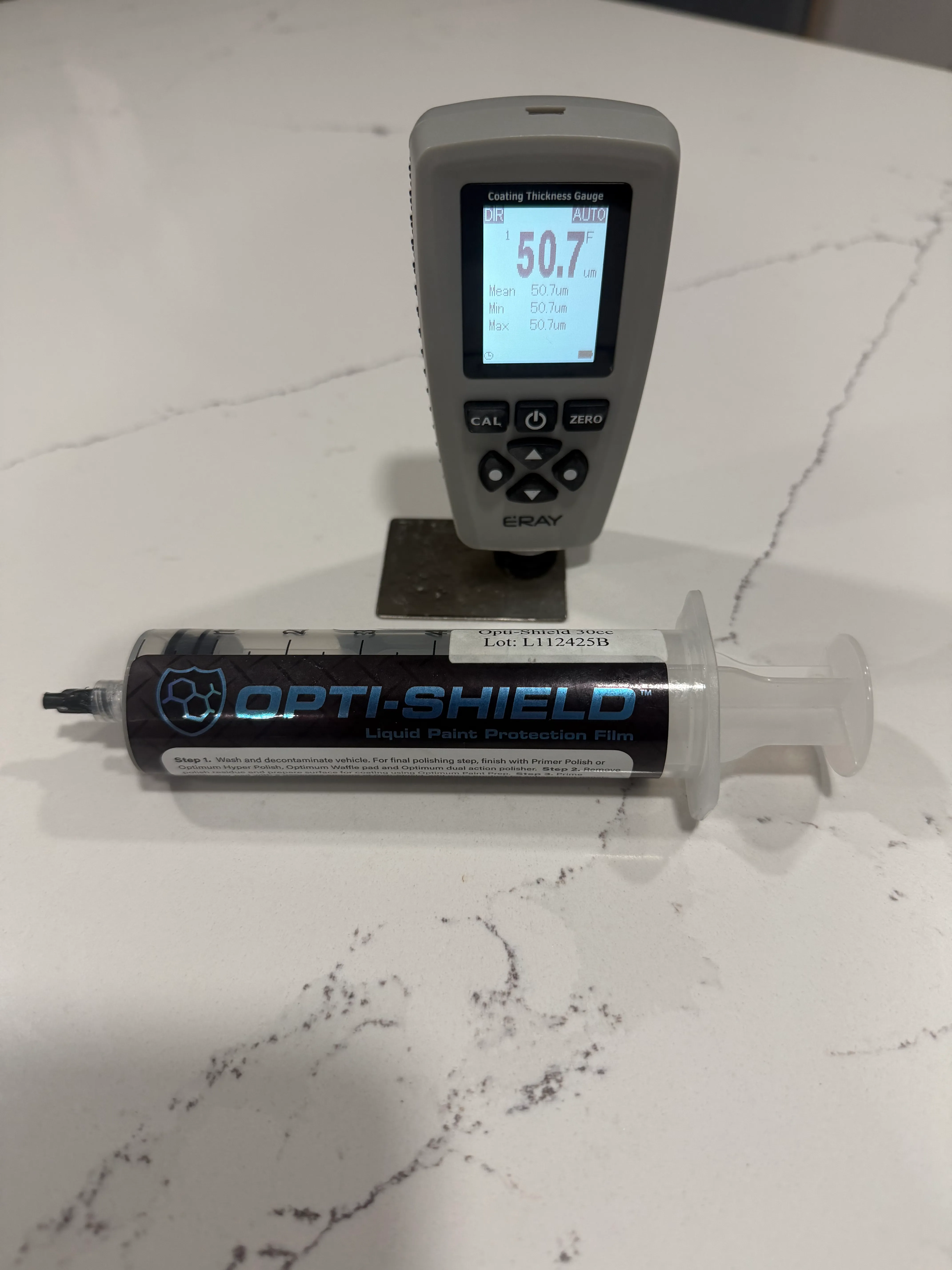
Measuring Thickness: The First Real Eye-Opener
The first thing I wanted to know was simple:
Does Opti-Shield actually build thickness — or does it just feel thick?
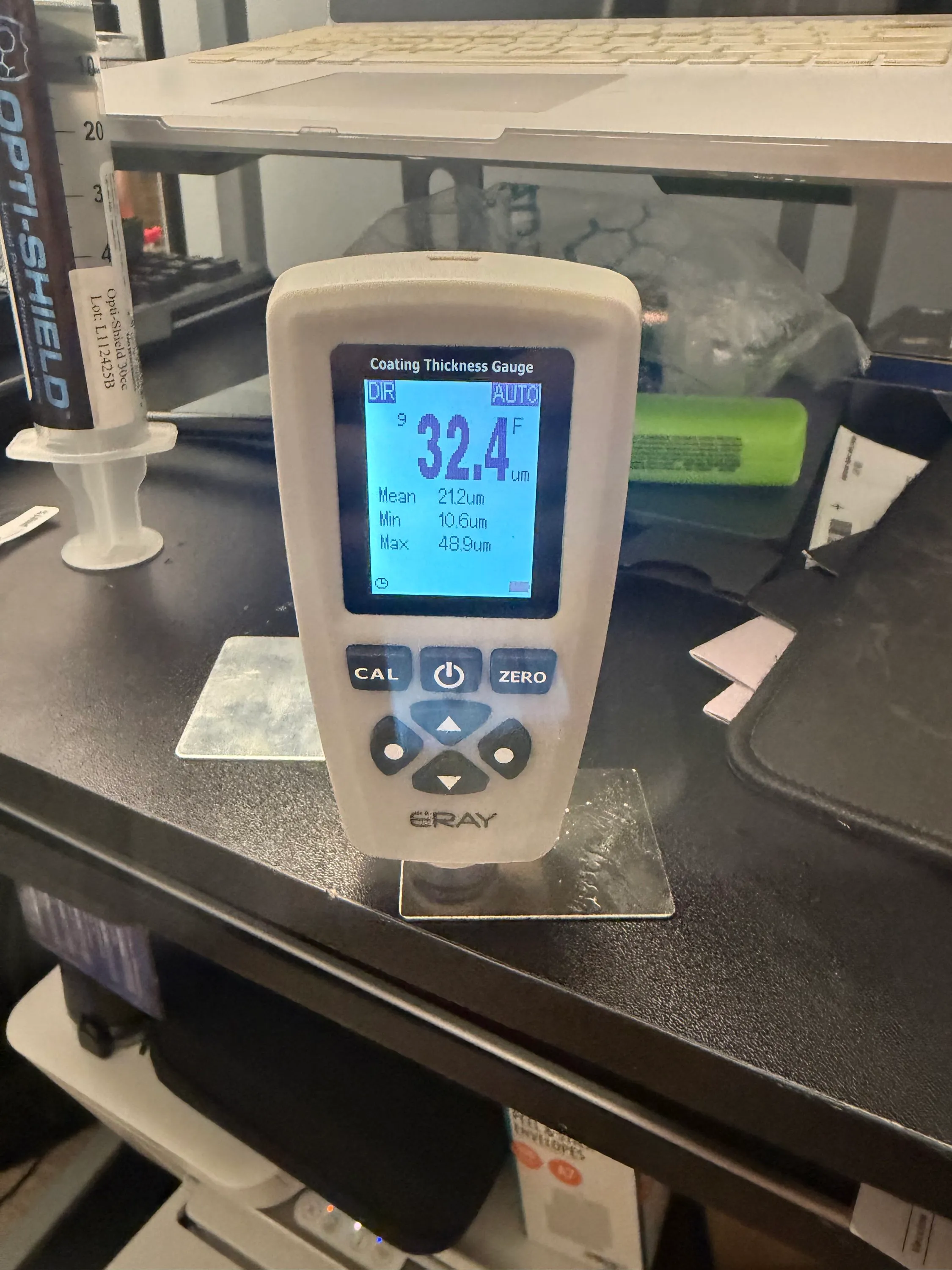
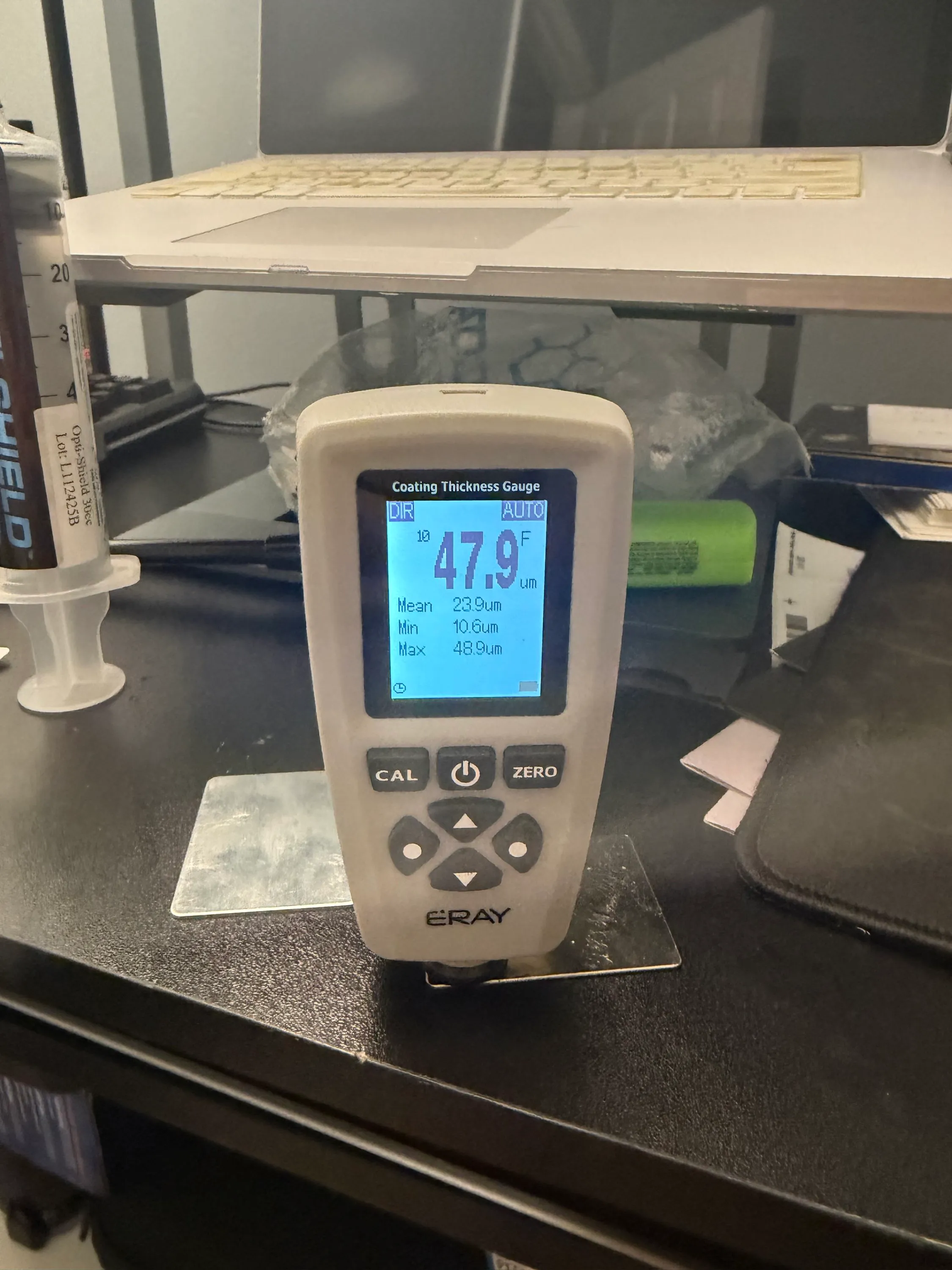
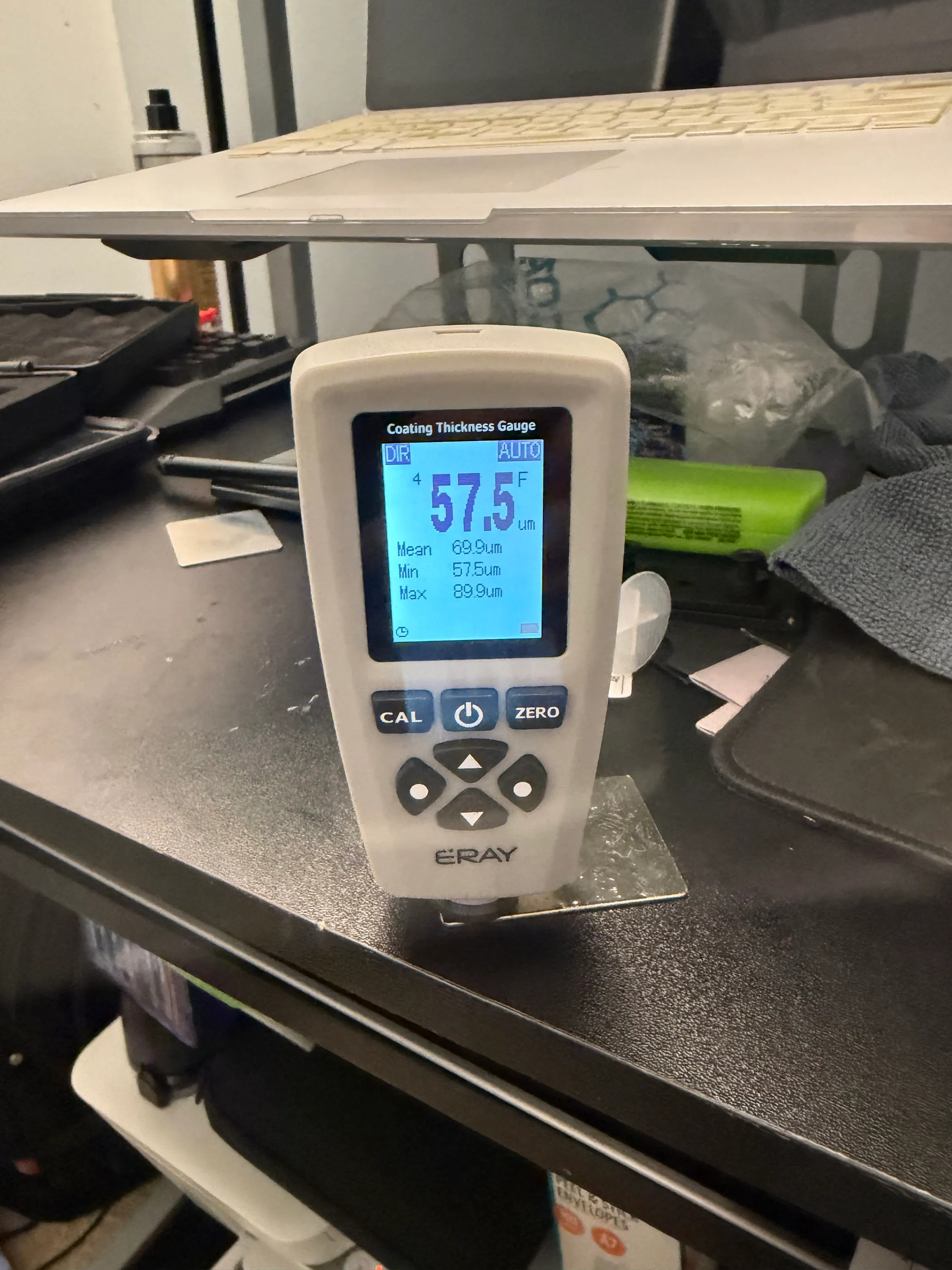
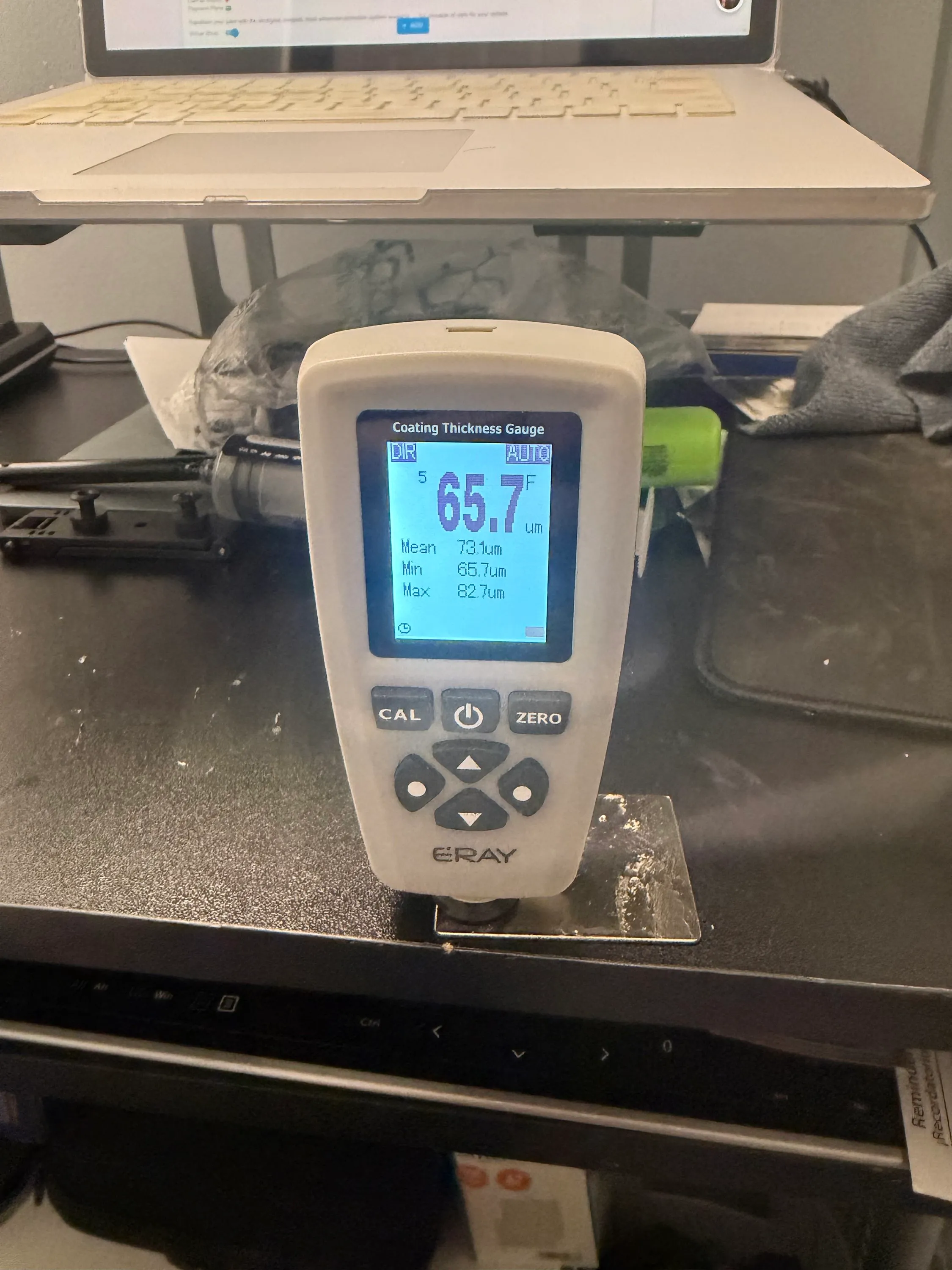
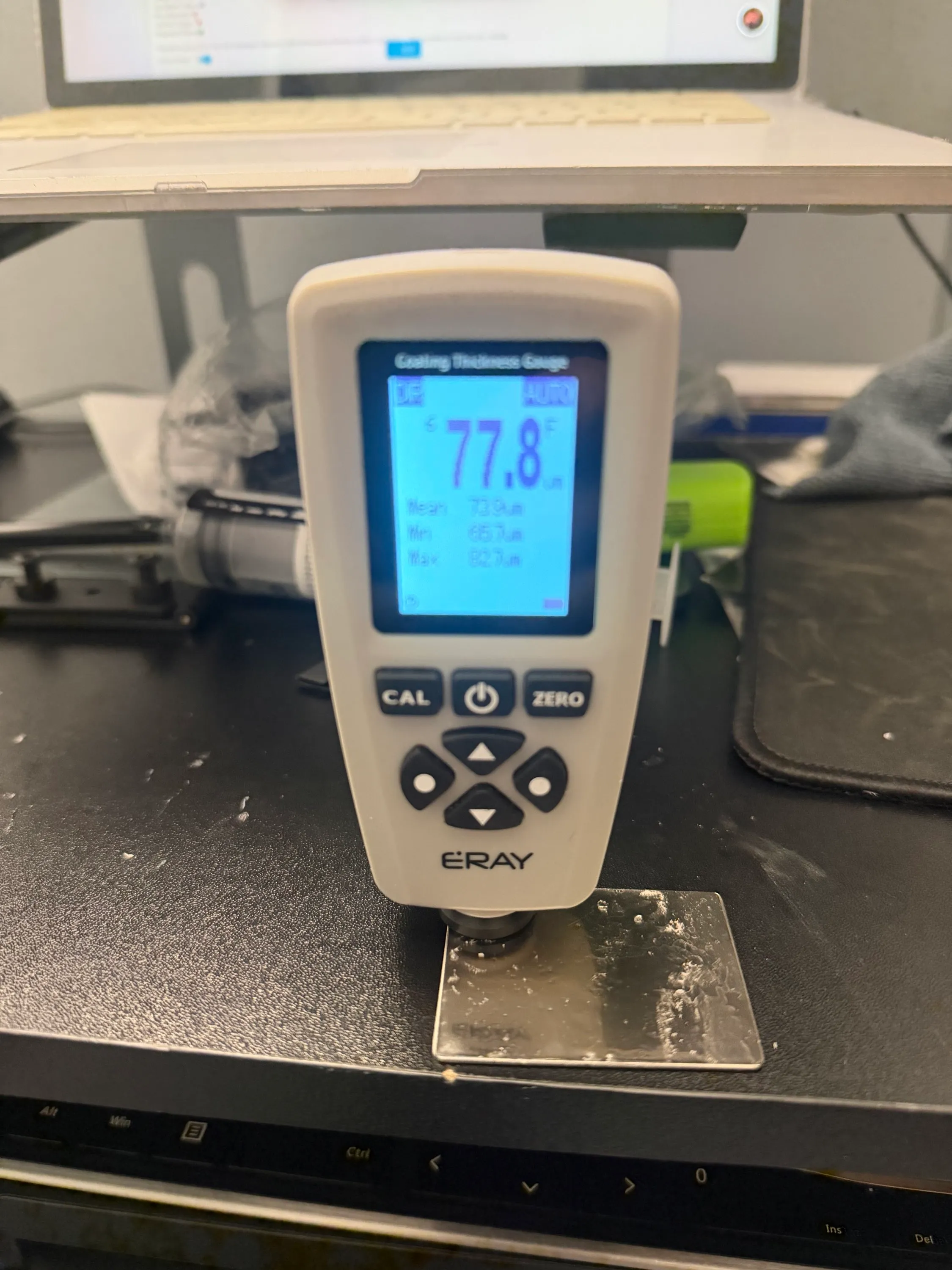
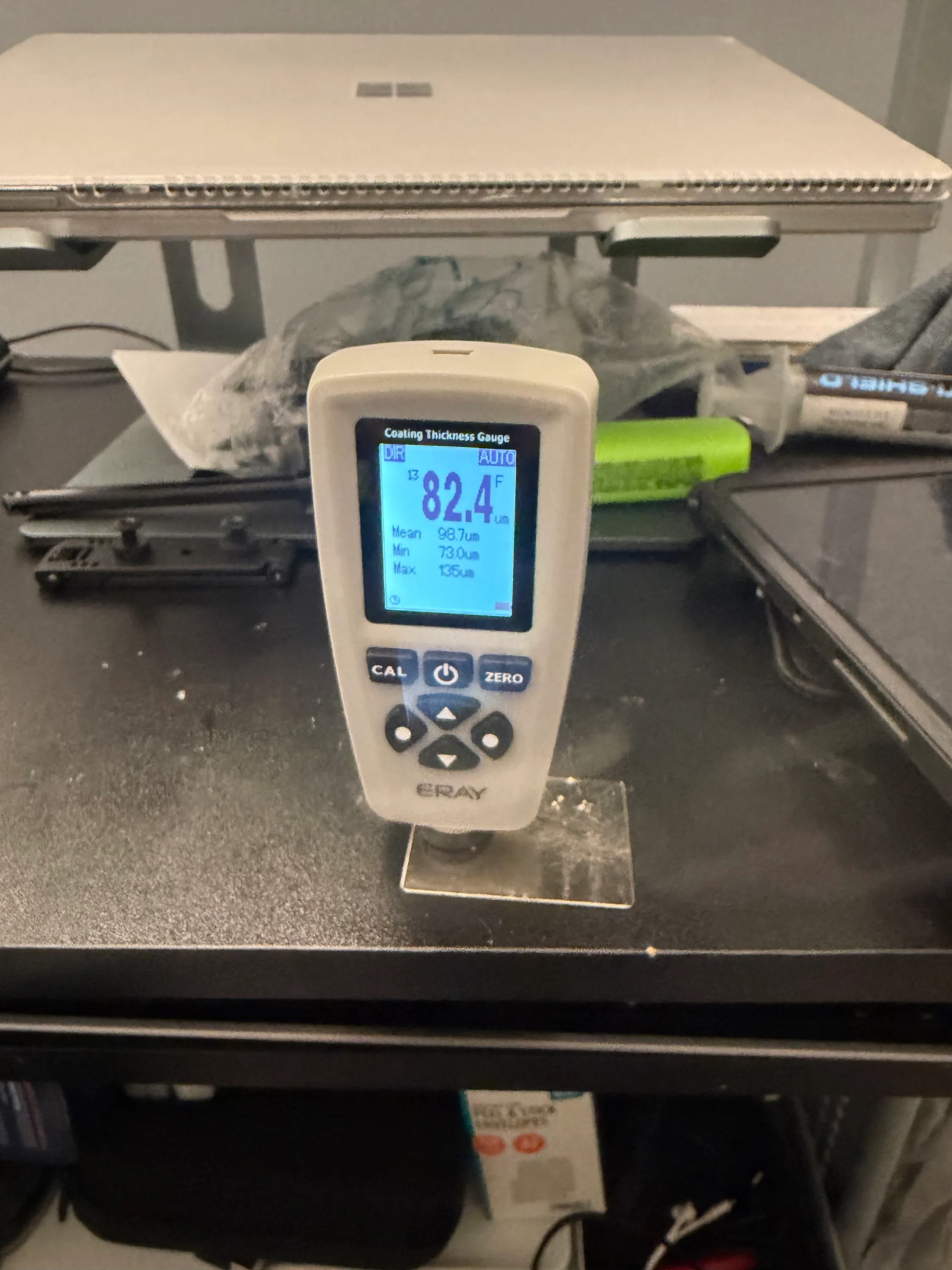
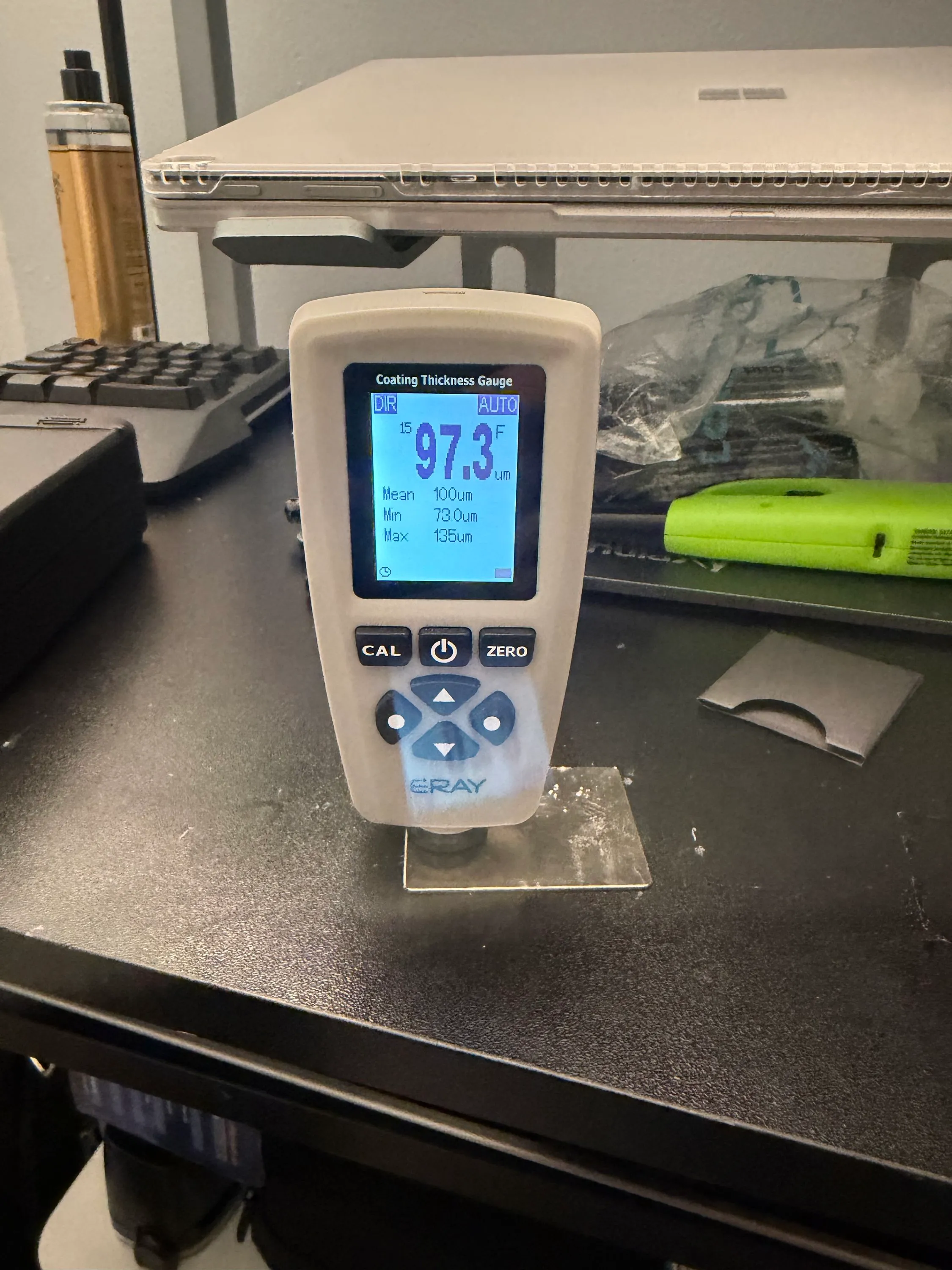
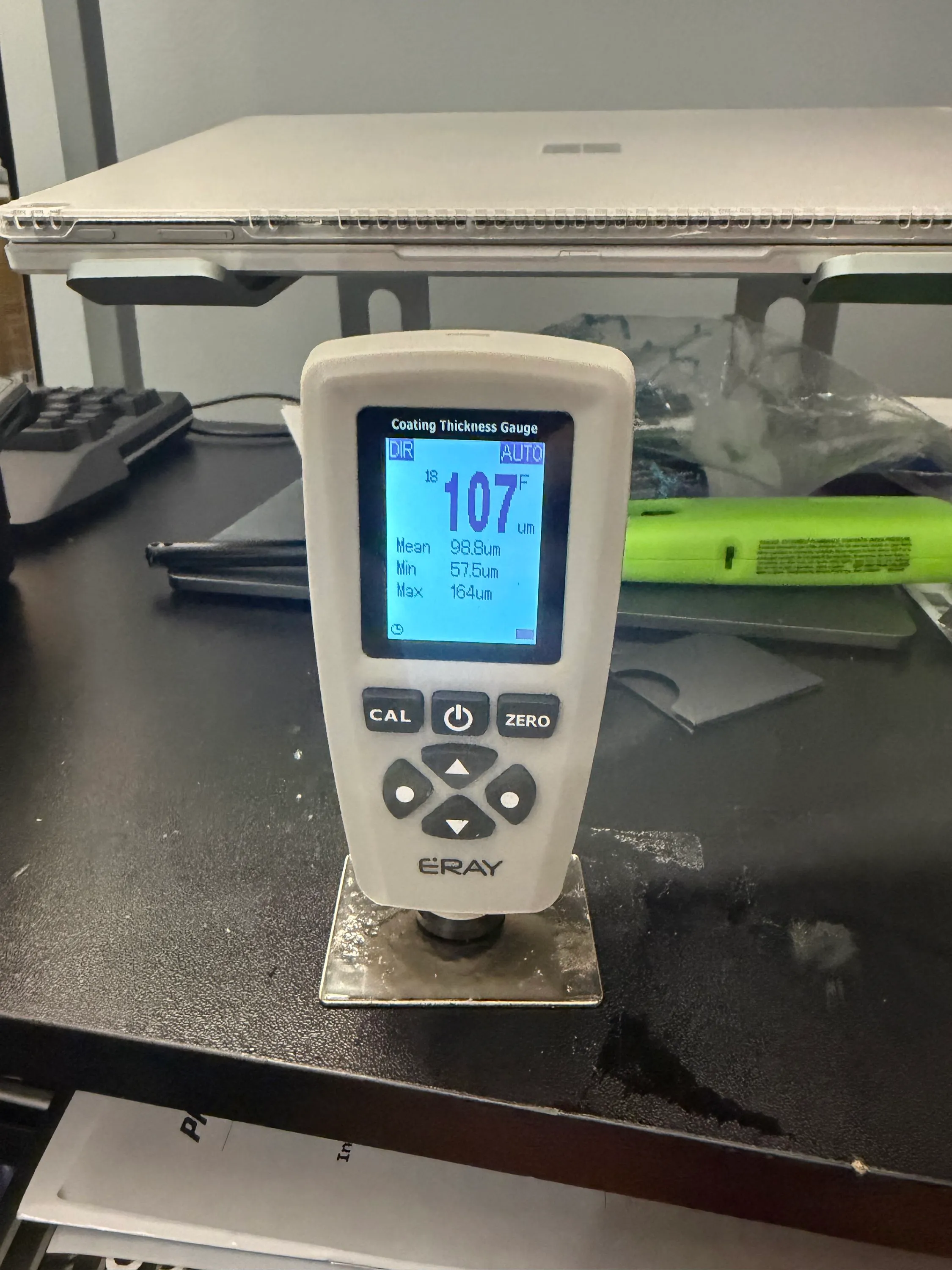
Layer by layer, I measured the film using a gauge. The results were consistent enough to be meaningful:
- Average thickness per layer: ~8 microns
That puts us at roughly:
-
1 layer → ~8 microns
-
2 layers → ~15–16 microns
-
4 layers → ~30+ microns (about 1 mil)
Out of curiosity, I kept layering on the test panel and eventually reached the equivalent of several mils of total thickness. That’s not something I’d ever recommend on a vehicle — but it confirmed something important:
👉 Opti-Shield builds true, measurable, sacrificial film thickness.
This isn’t theoretical protection. You can see it on a gauge.
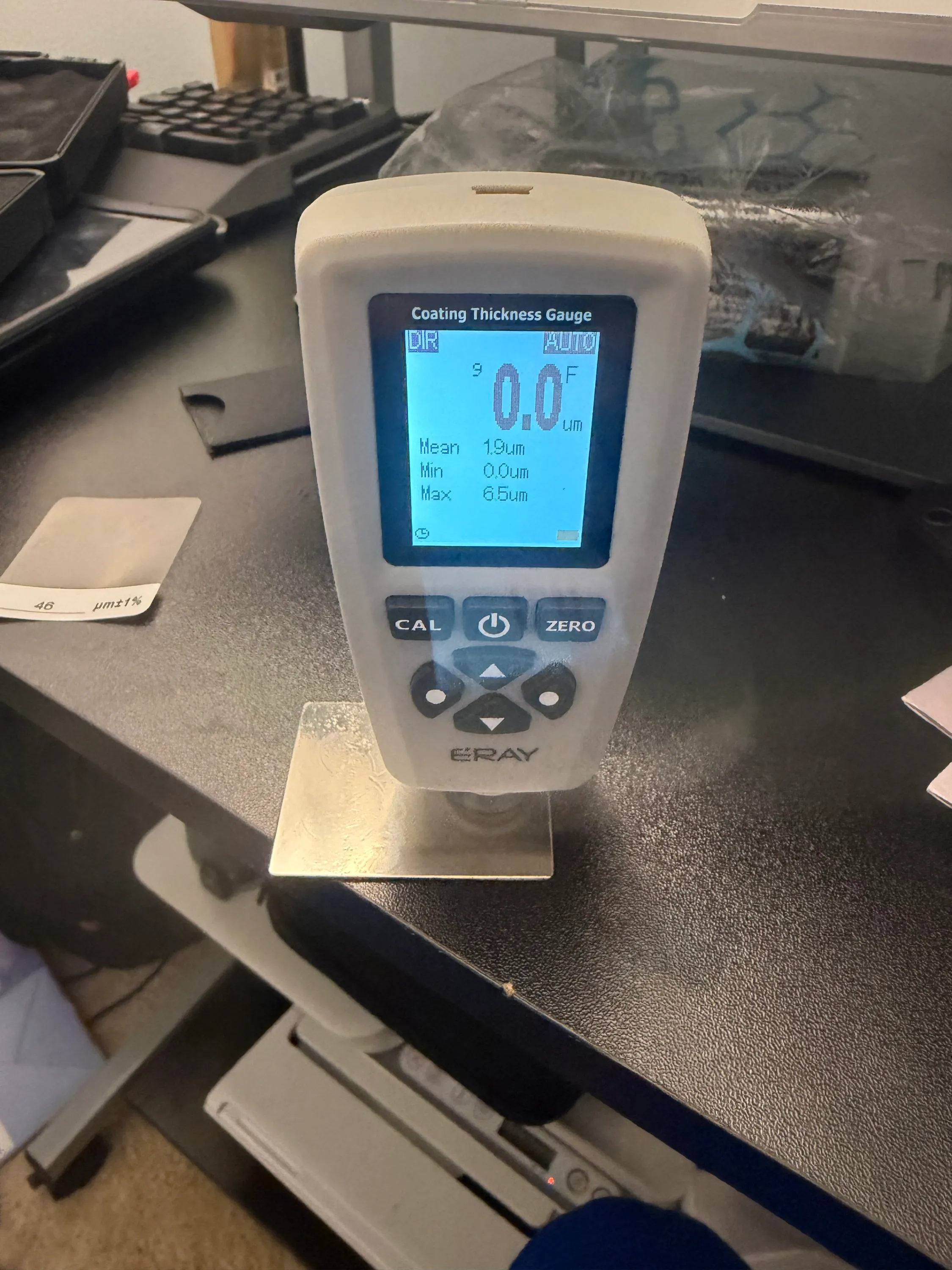
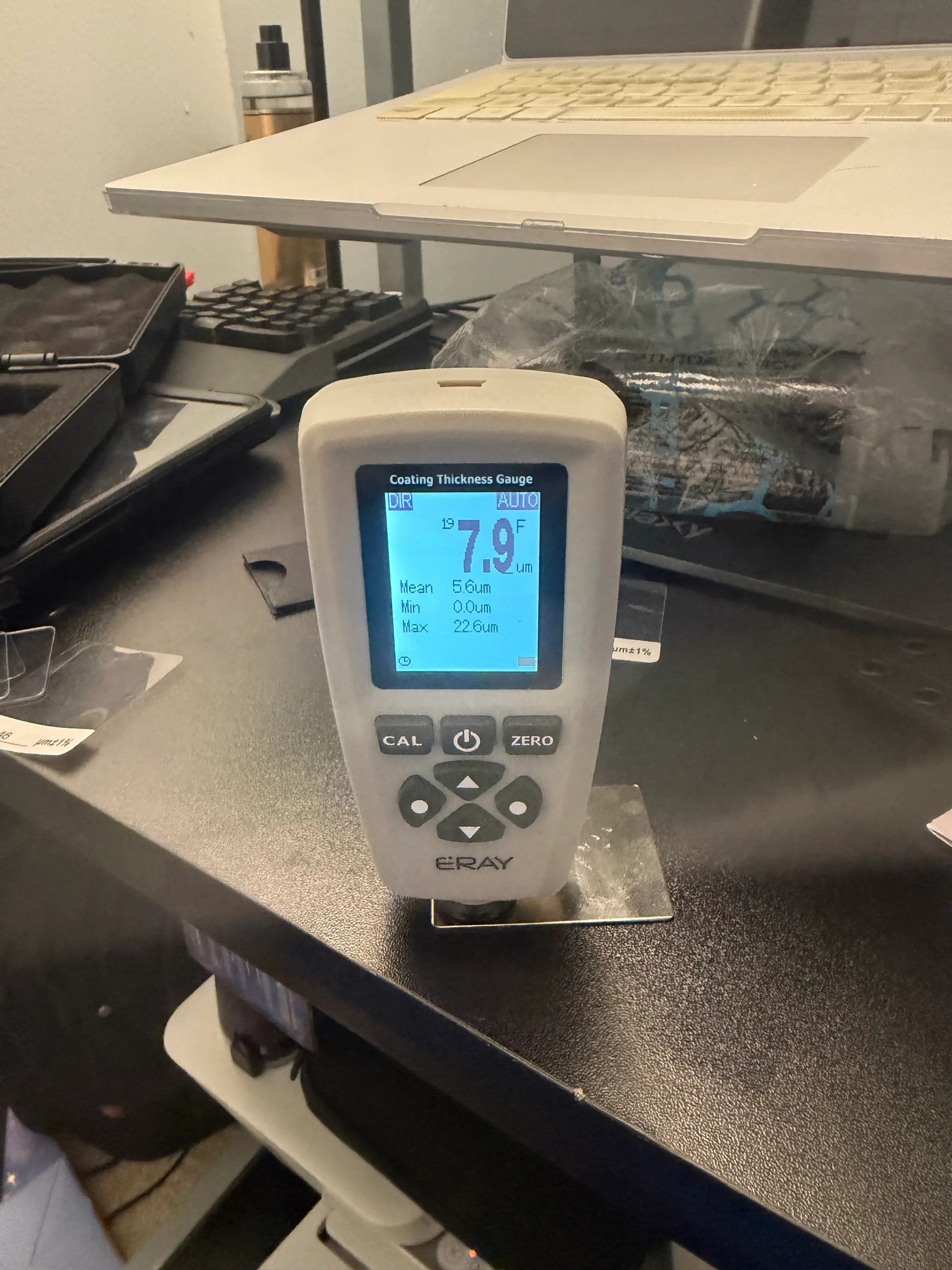
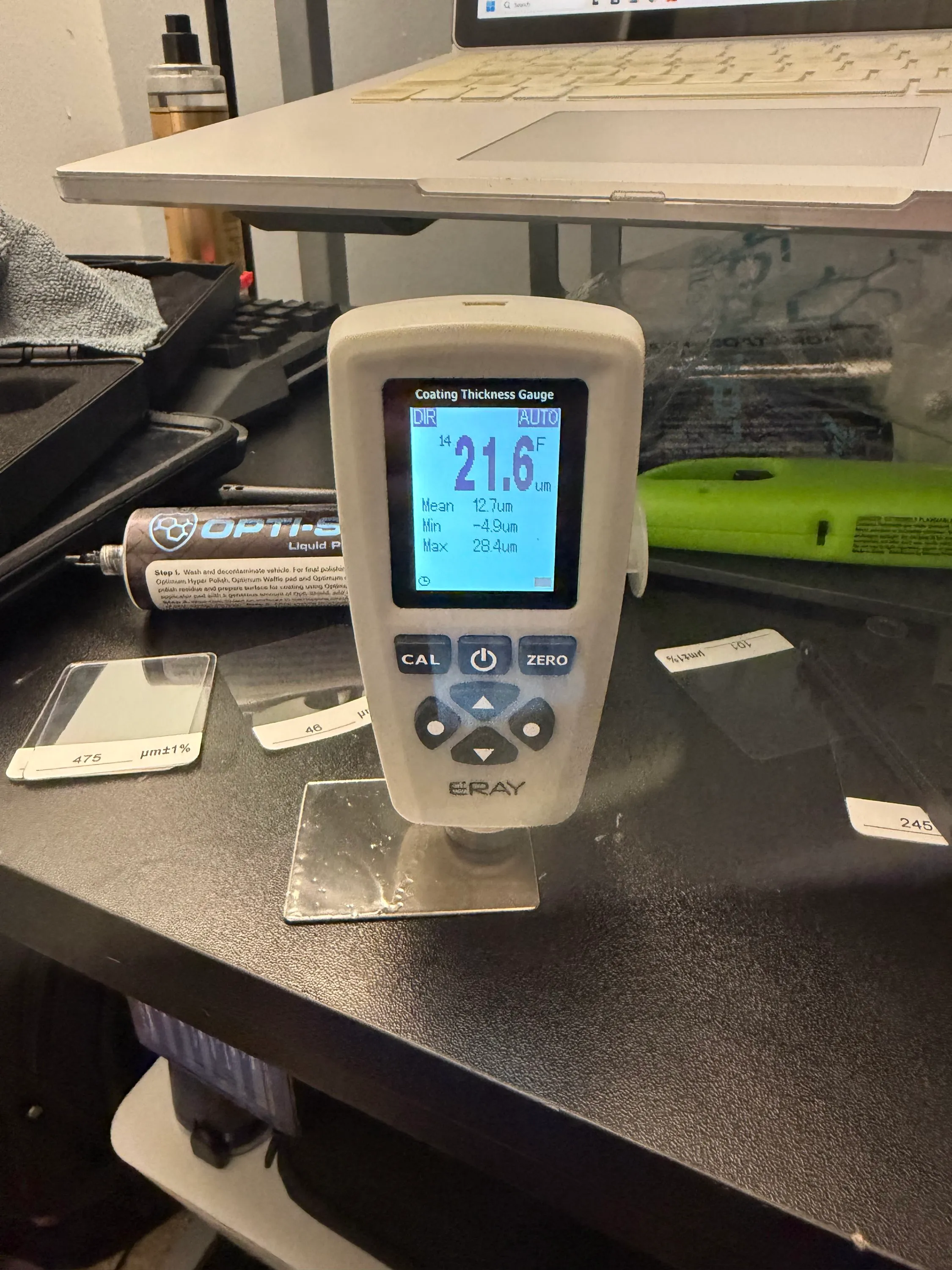
Scratch & Abrasion Testing: What Actually Happens
Light Abrasion & Wash-Type Contact
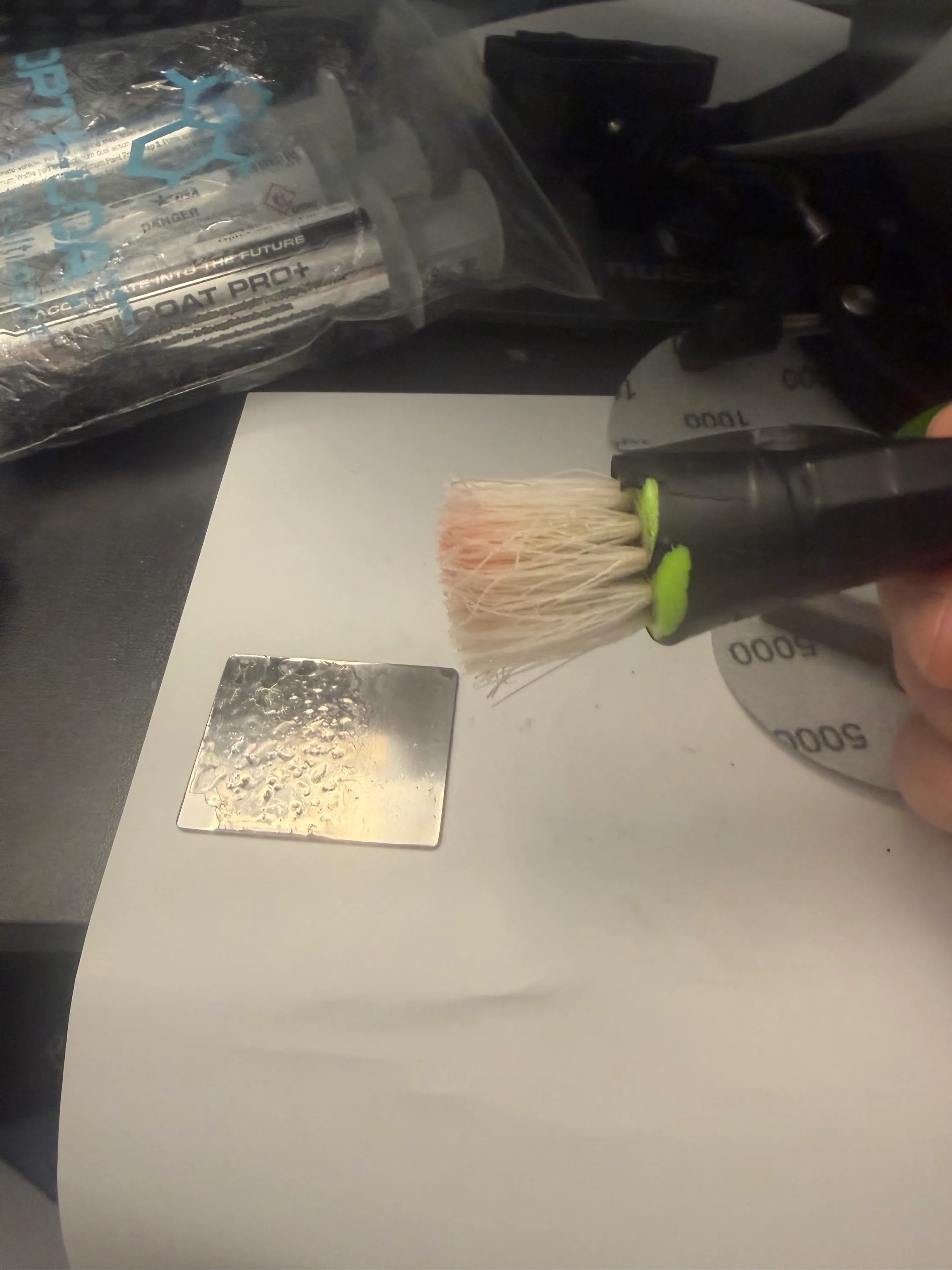
Using a nylon bristle detailing brush (both light and aggressive pressure):
-
No noticeable scratching
-
No visible marring
-
The surface held up extremely well
This is huge, because most damage happens during washing and drying — especially in Maryland, where winter grit and seasonal debris get dragged across paint constantly.
Heavier Dirt & Aggressive Contact
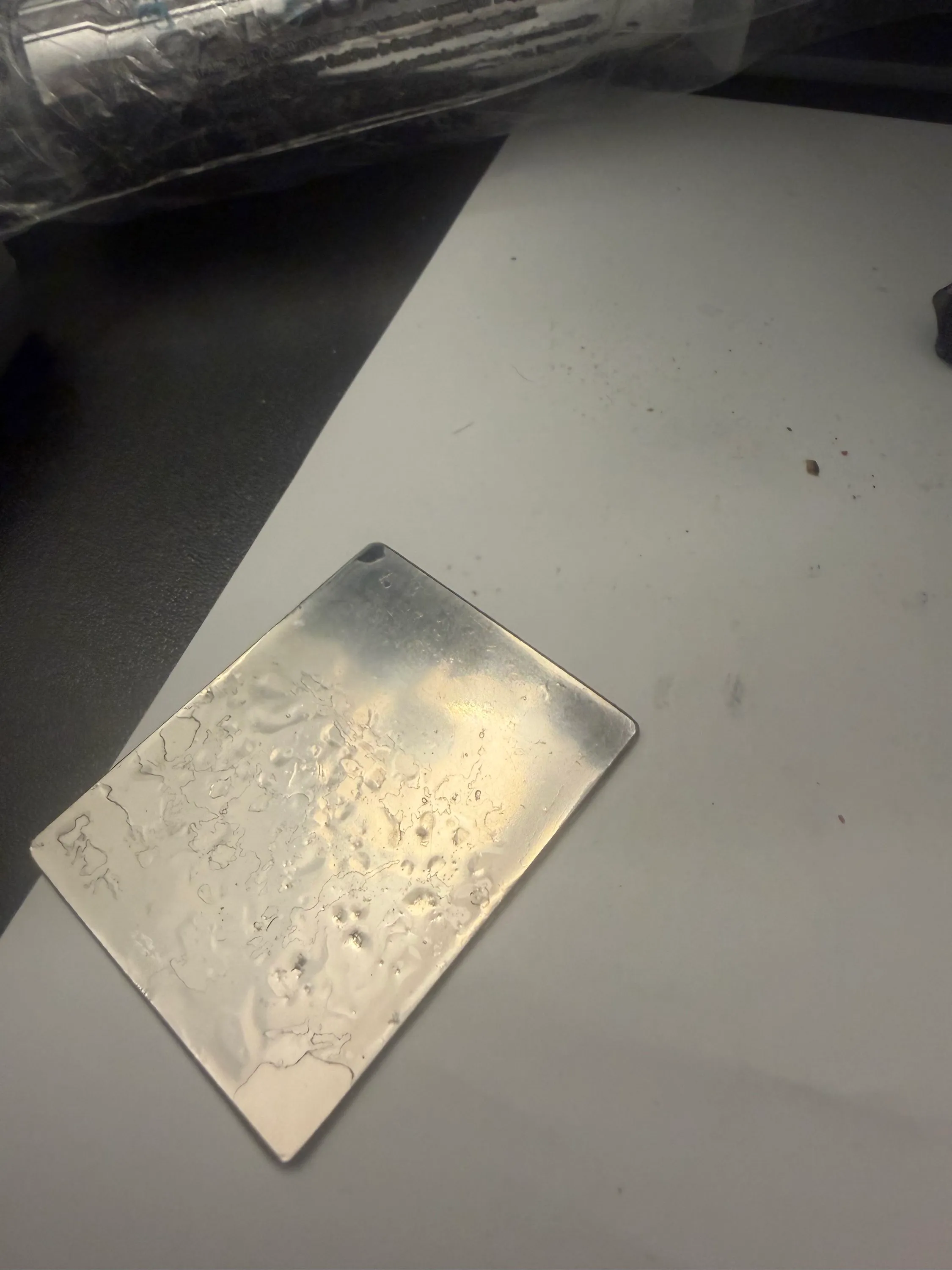
When heavier dirt was pressed into the surface with aggressive pressure:
-
Scratches occurred in the Opti-Shield layer
-
The damage stayed within the film
-
Nothing transferred to the substrate beneath
That’s the point of sacrificial protection.
The protection takes the hit — not the paint.
Malicious Damage: How It Fails Matters More Than If It Fails
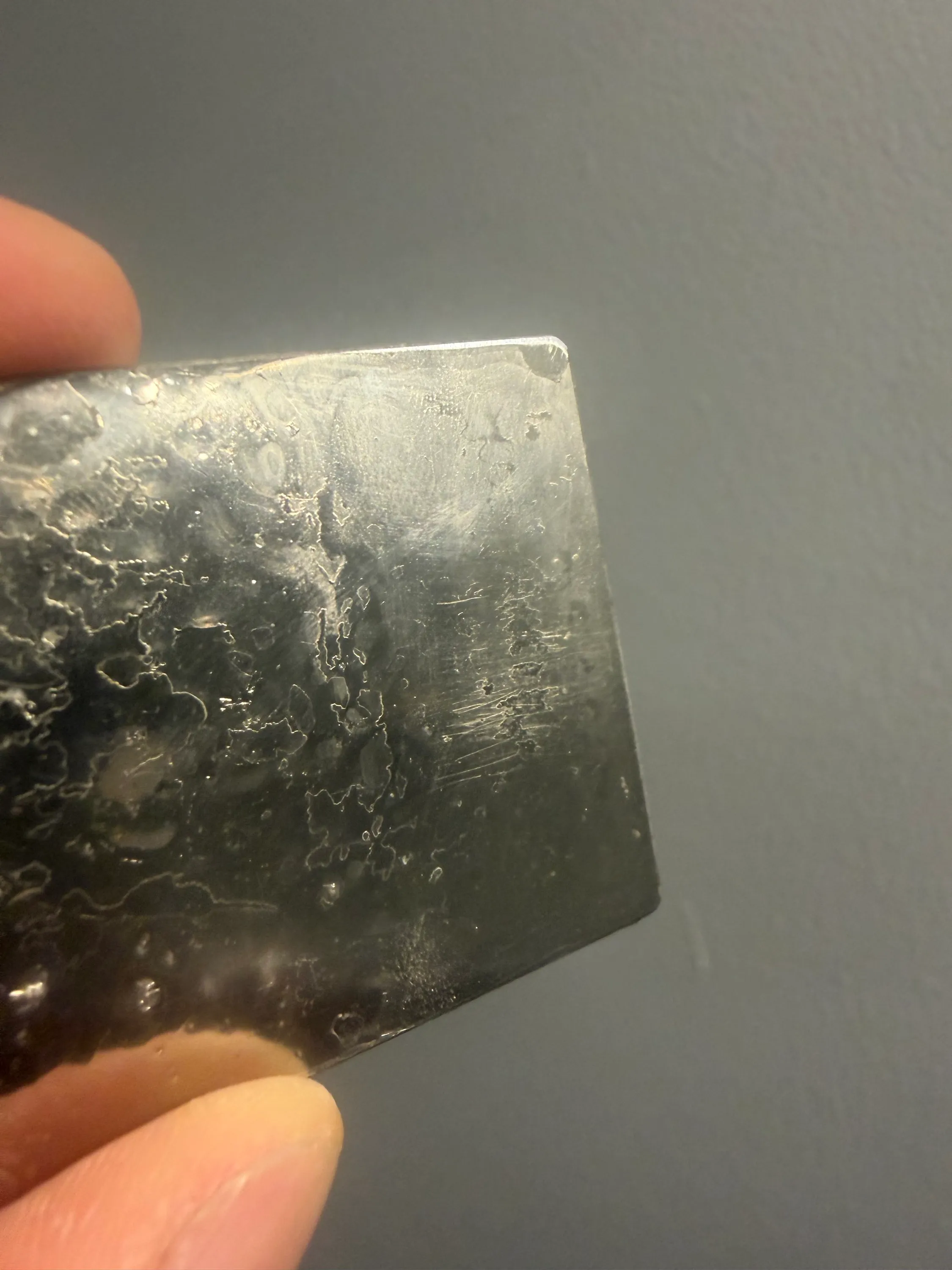
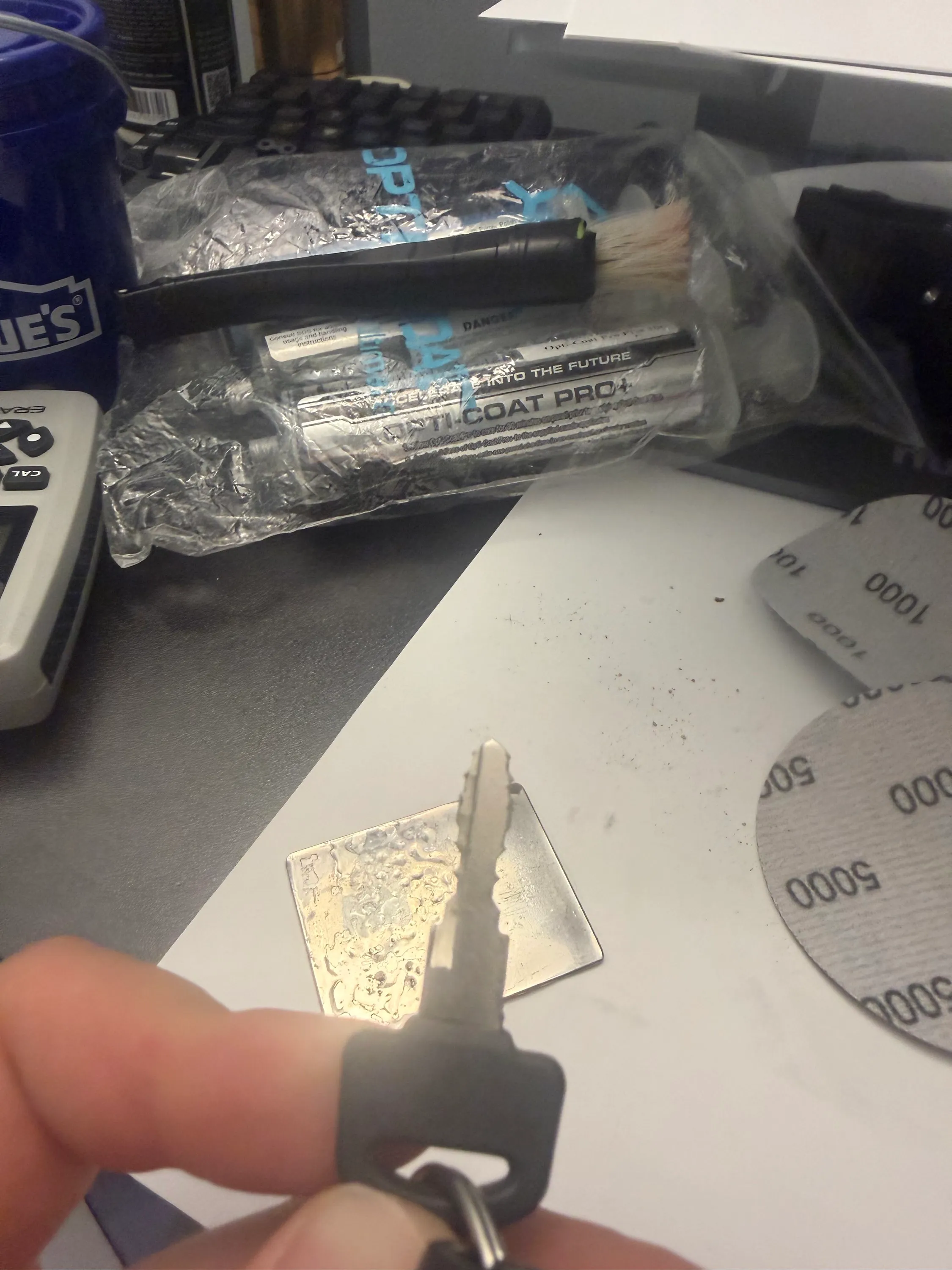
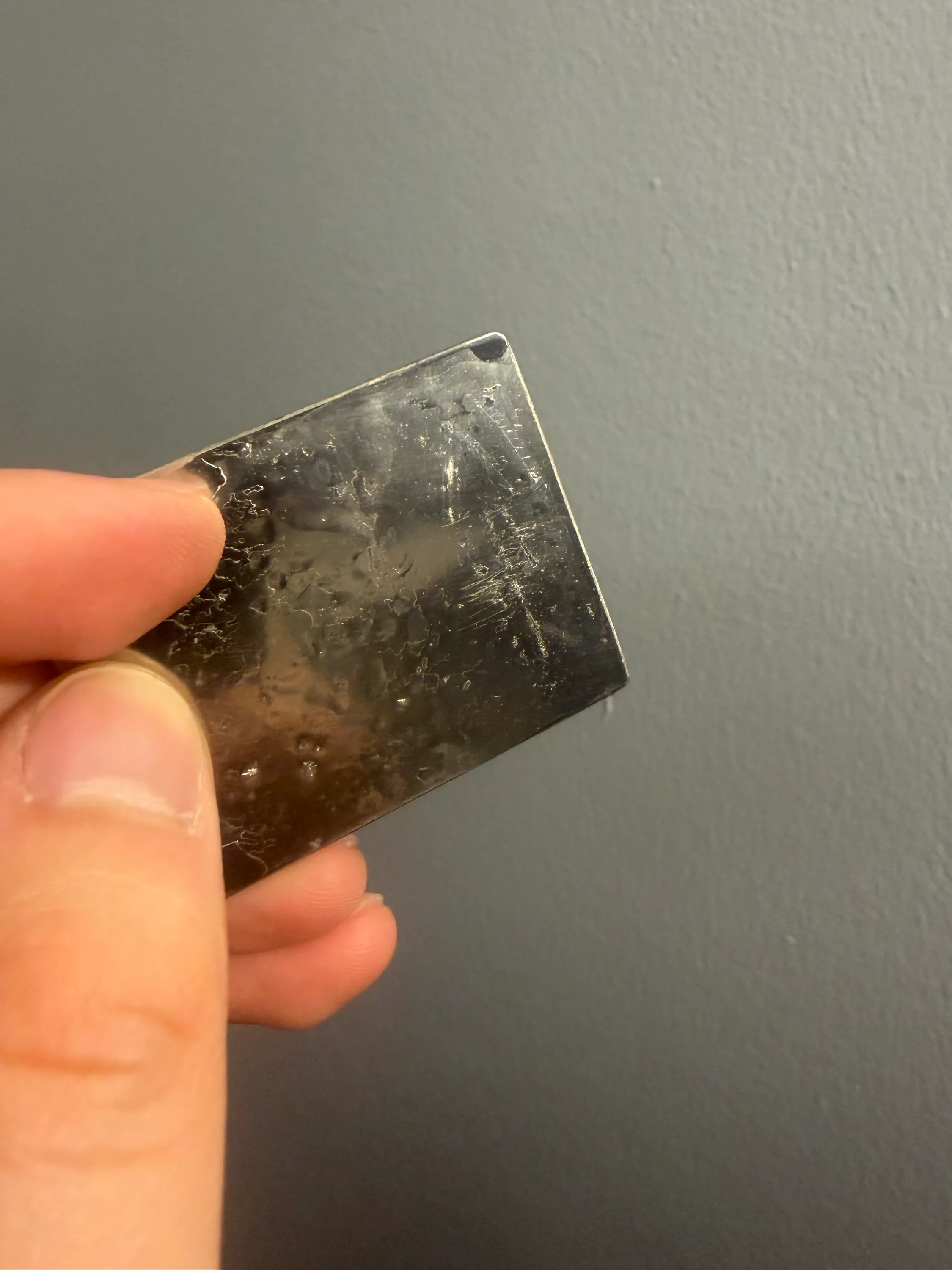
I also tested deliberate, heavy pressure (a key scenario).
What I observed:
-
Opti-Shield fractured or cracked under extreme force
-
It did not smear or stretch
-
Damage remained localized to the film
This is actually what you want. A product that’s too soft deforms. One that’s too hard transfers energy straight into the paint.
Opti-Shield sits in a smart middle ground:
resistant to light abrasion, sacrificial under extreme damage.
Sanding & Correction: Putting Numbers Behind the Process
This was the most telling part of the testing.
With multiple layers applied, I sanded the Opti-Shield surface and tracked material removal — while keeping the number of passes consistent to make the data meaningful.
Here’s what that looked like:
-
20 passes with 1,000 grit → ~11 microns removed
-
20 passes with 2,000 grit → ~5 microns removed
-
30 passes with 3,000 grit → ~6 microns removed
Total removed: ~22 microns
The key takeaway isn’t just the numbers — it’s where that material came from.
👉 All of that correction happened within the Opti-Shield layer, not OEM clear coat.
That’s something ceramic coatings simply can’t offer. Once you polish through a coating, you’re immediately into permanent paint.
Applying Opti-Shield on My Own Truck
After testing, I applied one layer of Opti-Shield to my truck.
Installation notes (real-world, no fluff):
-
Much tackier than ceramic coatings
-
Builds thickness quickly
-
Requires patience and controlled leveling
-
Definitely more physical than coating installs
After Shield, I applied different Opti-Coat ceramic coatings to various panels (Pro, Pro+, Pro3, and Ultra Shine) to observe compatibility.
What stood out:
-
Coatings bonded effortlessly over Shield
-
Water behavior was excellent
-
The finish had depth even on imperfect paint
-
Shield clearly behaves like a film, not a coating
How Opti-Shield and Opti-Coat Work Together (This Is the Sweet Spot)
This is where things really come together.
Think of it as a layered protection system:
Opti-Shield (Physical Protection)
-
Adds real thickness
-
Absorbs scratches and abrasion
-
Can be corrected and repaired
-
Protects clear coat from wear
Opti-Coat Ceramic Coatings (Chemical Protection)
-
UV resistance
-
Chemical and environmental protection
-
Hydrophobic behavior
-
Easier maintenance and cleaning
When combined:
-
Shield takes physical abuse
-
Coating handles the environment
-
Maintenance becomes easier
-
Long-term paint preservation improves dramatically
Instead of choosing between “coating or PPF,” you get the strengths of both.
What I Recommend for Most Maryland Drivers
Based on testing and real-world use:
-
1 Layer Shield
Great as a sacrificial buffer under a ceramic coating
-
2 Layers Shield (Sweet Spot)
~16 microns of protection
Ideal for daily drivers
Strong resistance to wash-induced marring
-
4 Layers Shield
~30+ microns
High-impact areas
Allows future sanding and correction
Excellent alternative to partial PPF
-
6+ Layers (Specialized Use)
Front bumpers, highway vehicles, work trucks
Every vehicle is different — installation should be intentional, not cookie-cutter.
Final Thoughts (Why This Earned My Trust)
Opti-Shield didn’t impress me because it’s indestructible.
It impressed me because it behaves honestly:
-
It resists light damage
-
It sacrifices itself under heavier damage
-
It builds real thickness
-
It allows correction
-
It protects what can’t be replaced
Clear coat is permanent.
Opti-Shield is not — and that’s the point.
Ready to Talk Protection That Makes Sense?
If you’re in Harford County, Bel Air, Abingdon, or surrounding Maryland areas and want more than just shine — if you want actual paint preservation — I’d be happy to walk you through whether Opti-Shield, Opti-Coat, or a combination of both makes sense for your vehicle.
No pressure. No hype. Just honest recommendations.
-Jose Gomez, CWX - IDA CD-SV.
📩 Reach out to CrystalWorX Detailing
📍 Professionally installed, thoughtfully layered protection
[
Book Now